
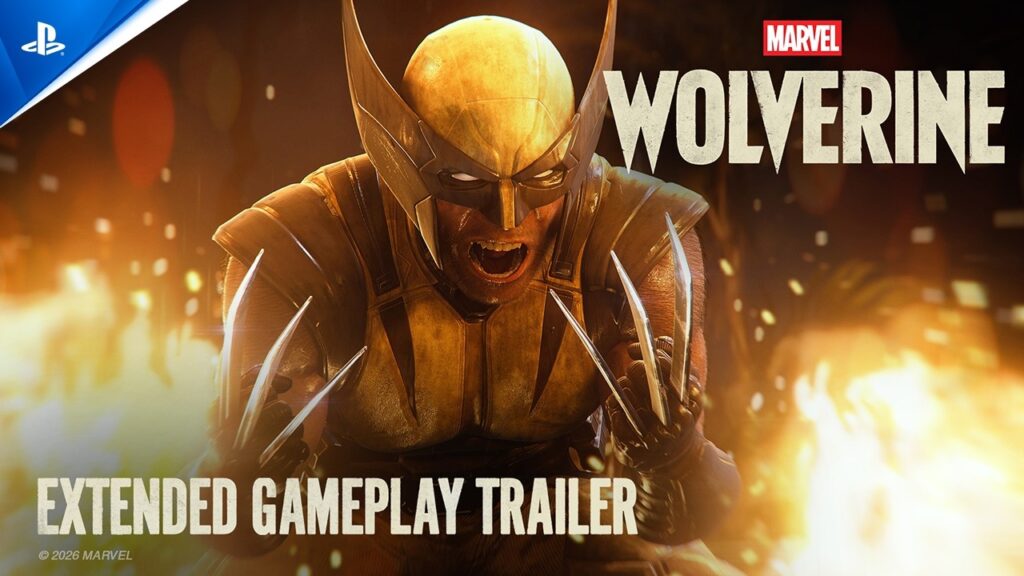
Marvel’s Wolverine is finally in players’ hands, and the post-launch picture is much more interesting than a simple review score.
Insomniac’s Logan has not landed with the near-universal praise that greeted its best Spider-Man games. Instead, the critical response is split around a very specific question: is a focused, violent, roughly 13-to-20-hour action game exactly what Wolverine needed, or does that same straightforward structure expose repetition in the combat and weaknesses in the story?
That divide matters more than the number sitting on an aggregator. If you wanted an enormous open-world superhero game, several reviews suggest this is not that. If you wanted a nasty, direct, cinematic Wolverine game where Logan tears through enemies and the campaign does not demand 80 hours of your life, the same traits can become strengths.
Quick take: the safest recommendation right now is buy if you specifically want Wolverine, brutal melee combat and a focused single-player campaign; wait if you need deep exploration, lots of systemic variety or a story that every critic agrees sticks the landing.
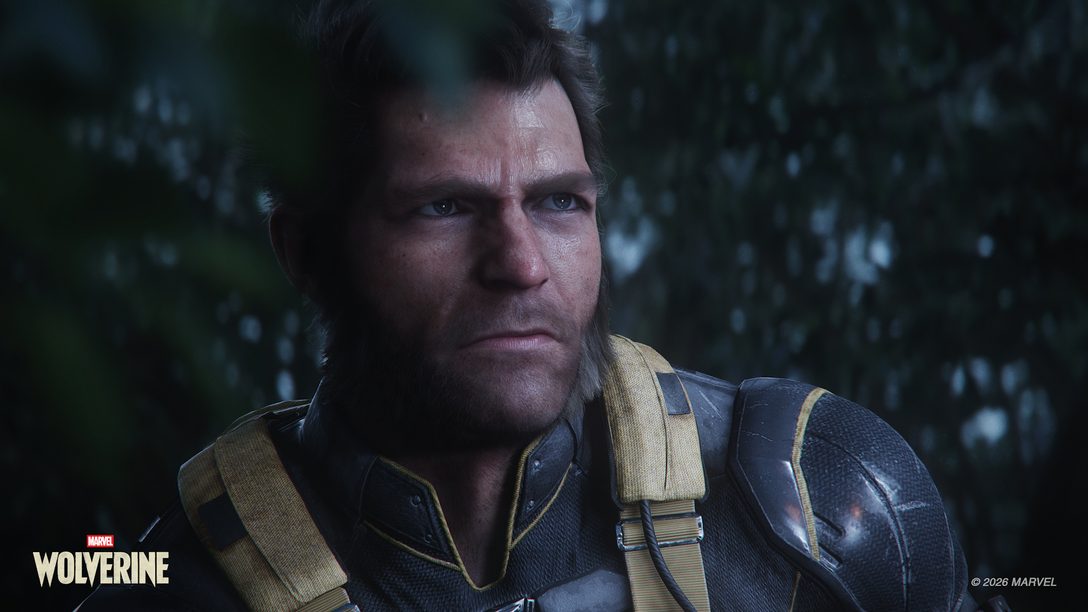
The review split is real — and useful
The broad critical picture is positive, but noticeably less enthusiastic than Insomniac’s strongest Marvel work. The most useful thing about that split is that reviewers are not arguing about what kind of game this is. They are arguing about whether that kind of game is enough.
The Verge praised the return to a more straightforward style of action game, framing the tighter campaign as a welcome break from bloated open worlds and endless live-service checklists. Its review highlighted the fast, violent combat and major cinematic set pieces, while also calling out bland exploration, less memorable missions outside the fights, and a predictable story.
Other reviews were harsher. The Guardian liked Logan as a character but found the fighting repetitive and the environments too restrictive. A post-launch review from Brazil’s Folha de S.Paulo similarly found the game fun in bursts but criticized the tension between its extreme violence and parts of its more sentimental story.
That is a very different problem from a broken launch. The recurring criticism is not “this game does not work.” It is “the core loop may not evolve enough for everyone.”
What Insomniac clearly got right: Wolverine feels dangerous
Before launch, Insomniac repeatedly said the claws and the combat were the non-negotiables. Creative director Marcus Smith described this version of Logan as more grounded and visceral than Spider-Man, while senior art director Grant Hollis emphasized blood, destruction and physical damage as essential parts of the fantasy.
That intent comes through in the official gameplay material. Rage builds through multiple tiers. Higher Rage states make Logan more aggressive, unlock stronger attacks and can trigger brutal critical strikes. His healing factor is not just a passive lore detail either; the game ties survivability and Last Stand mechanics directly into the combat loop.
Reviewers who like the game tend to agree that the physicality is the selling point. Wolverine lunges, tears, counters and closes distance like somebody who expects his skeleton to survive the consequences. This is not Spider-Man with claws pasted on top. Insomniac built a different combat rhythm around contact, aggression and damage.
The catch: brutality does not automatically equal depth
The biggest warning is repetition. Wolverine’s combat can look spectacular without necessarily offering the same long-term mechanical variety that players expect from the deepest character-action games.
That distinction matters. If your fantasy is “I want to feel like Logan for 15-ish hours,” repetition may not become a dealbreaker before the credits. If you are coming from Devil May Cry, Ninja Gaiden or a systems-heavy action RPG expecting a huge move economy and endless build experimentation, the reviews suggest you should calibrate that expectation.
Insomniac has also said publicly that it is listening to criticism and working on improvements. That does not mean buyers should purchase on the promise of hypothetical future fixes, but it does make waiting a perfectly rational choice for anyone who is interested but not desperate to play at launch.
Linear is not automatically a dirty word
One of the most interesting things about Wolverine is that its structure seems almost rebellious in 2026. It is not trying to become another map covered in icons.
The campaign moves through locations including Telambang, Madripoor and Japan, with exploration and optional content around a generally directed progression. PlayStation’s own hands-on preview described stealth scouting, combat, boss encounters and exploration, but everything we have seen points toward a authored action-adventure rather than a giant sandbox.
That can be refreshing. A focused game can maintain pacing, make set pieces matter and actually end before the player starts treating it like a second job. The downside is obvious: when the side exploration or story beat is weak, there is less systemic freedom to create your own fun.
The story appears to be the real dividing line
Insomniac’s story centers on Logan’s rage, trauma, relationships and a wider threat to mutants, with characters including Sabretooth, Mystique and Jean Grey. The studio has been explicit that it wants the humanity underneath the claws to matter.
Some critics respond to that conflict. Others think the shifts between savage violence and emotional drama clash rather than complement each other. This may ultimately be the part of the game where your tolerance for superhero melodrama matters more than any score.
If you mainly want a faithful Wolverine power fantasy, the narrative disagreements may be background noise. If you are buying primarily for an unforgettable character story, the mixed reaction deserves more weight.
Early player reaction is much warmer — but treat it carefully
There is also an interesting gap between critics and early PlayStation Store users. Shortly after launch, reports tracking the PlayStation Store showed a very high user rating, around 4.8 out of 5 from thousands of ratings.
That is encouraging, but early storefront ratings are not the same thing as a controlled review sample. Launch-day players are disproportionately likely to be fans who were already excited enough to buy immediately. Treat it as evidence that a lot of actual buyers are enjoying themselves, not proof that every criticism is wrong.
Who should buy Marvel’s Wolverine now?
Buy now if: you are here for Logan first, you want hard-hitting melee combat, you prefer a focused single-player campaign over a 70-hour checklist, and you are comfortable with a game whose strongest quality appears to be moment-to-moment brutality rather than enormous systemic depth.
Wait if: you are sensitive to repetitive combat, you need rich exploration, you are buying mostly for the story, or you want to see how Insomniac responds to launch feedback before paying full price.
The Standard Edition launched at $69.99 USD on PS5. At that price, “pretty good” is not an automatic purchase for everyone. The question is whether its specific strengths line up with what you wanted from a Wolverine game.
ZerotoBeast take
Before launch, we argued that Marvel’s Wolverine looked strongest when it stopped trying to resemble Spider-Man and leaned fully into Logan. The reviews mostly reinforce that.
The claws are not the problem. The violence is not the problem. The more complicated question is whether the structure around those claws gives you enough reasons to keep enjoying them.
For Wolverine fans who wanted a brutal, cinematic, finite action game, this still looks like an easy game to be curious about. For everybody else, the review split is a gift: you can wait, watch how the post-launch patches shake out, and buy based on the game that exists rather than the superhero logo on the box.
Read our earlier pre-release breakdown: Marvel’s Wolverine: who should buy it, who should wait, and why Logan still looks dangerous.
Check Marvel’s Wolverine on PlayStation
Sources / Reviews
PlayStation Blog — developer interview
PlayStation Blog — hands-on report
PlayStation Blog — gameplay and launch details
The Verge review
The Guardian review
Folha de S.Paulo review

