
Google Playground and Unity Spark are the two very different halves of a partnership announced October 7, 2026. One can already be opened in a browser. The other is a not-yet-publicly-launched attempt to connect prompt-driven prototyping to the Unity runtime and more capable 3D experiences. That distinction matters to anyone wondering whether AI can now make a production-ready game from a single sentence. Read Google’s official announcement.
Google Playground: the experimental tool available now
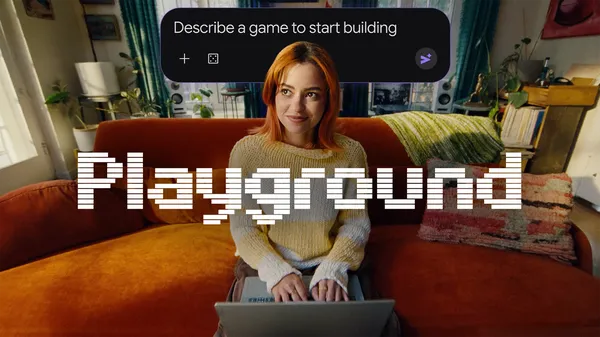
Google describes Playground as a conversational game maker. You describe a character, mechanic or world and refine the result through further prompts. Creators can keep work private, share a link or submit games to a public gallery. Google says select genres support multiplayer and leaderboards, with community rankings and Play Games profile integration. These are real announced functions, but not a guarantee that every concept becomes a polished game or that every genre has multiplayer. Explore Google Playground.
Access to Google Playground and Unity Spark is not the same thing today. Google says the experiment launched for people aged 18 or older in the United States on October 7, with creation allowances dependent on Google AI subscription tiers. That means readers outside the US should not assume they can access the same creation features today. It is also too early to make strong claims about generated-game performance, export workflows, asset licensing or large-scale production reliability without documentation and tests. Check Playground availability and terms.
Unity Spark: promising professional controls, but not launched for everyone
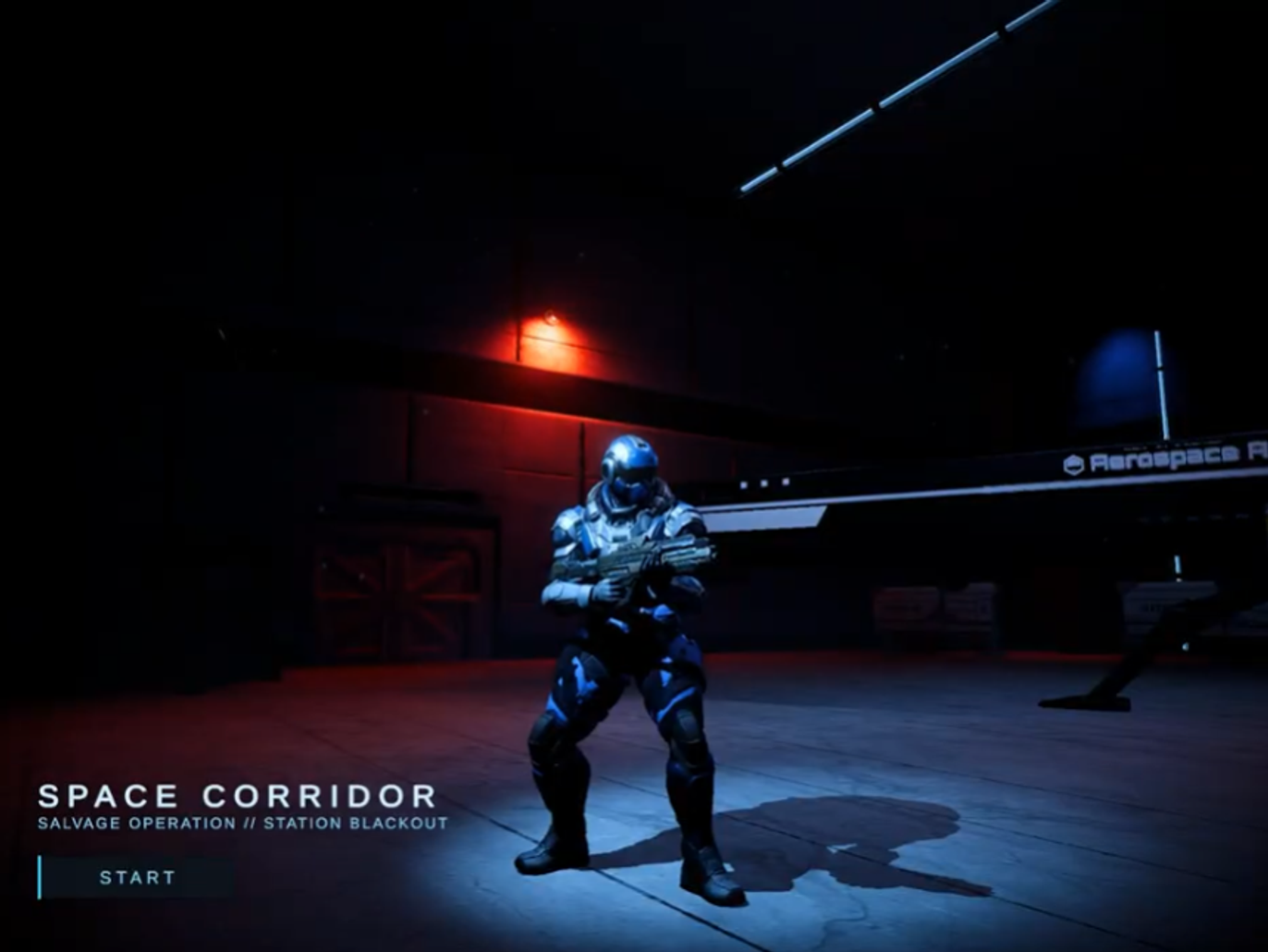
The more advanced half of Google Playground and Unity Spark is Unity Spark, an expanded creation environment positioned around higher-fidelity 3D, professional-level game mechanics and the flexibility of the Unity runtime. Unity’s announcement suggests a path from describing a small idea to shaping a more complex interactive experience. Google says Spark is still in testing and a closed beta is coming, with a wider introduction planned later in 2026. That is a roadmap, not evidence that professional game creators can install a general release today. See Unity Spark’s official product page.
For a professional developer, the key questions are considerably less flashy than the promo: Can you export and version your work? Can scripts, shaders, prefabs, assemblies and imported assets survive a round trip? What build platforms, runtime costs, rights and project scale are supported? How are source assets licensed and how are prompts or generated output stored? Until detailed documentation answers these questions, the sensible reading is an exciting product direction rather than a replacement for a tested Unity production pipeline. Follow the official Unity Spark beta details.
What the partnership really changes
The ambition behind Google Playground and Unity Spark is distribution as well as creation. Google wants community galleries, discoverability, multiplayer and a large audience close to the tools, while Unity contributes game-engine technology. That could make it easier for a casual creator to try an idea and find players, but the announcement does not establish production quality, ownership terms or sustained audience growth. Those questions require real shipping results. Compare Google’s creator vision with the official press release.
Should working Unity developers care?
Yes, but for a specific reason. If Unity Spark matures, it could change how quickly designers test mechanics and how novices enter the ecosystem. Today, it is better treated as a prospective addition to prototyping workflows. If you build commercial PC or mobile games, test tool output against reproducible build targets, source control, licensing requirements and real hardware before trusting it. Read the official Unity Spark roadmap.
Interested in the emerging Unity AI tool ecosystem? See ZerotoBeast’s Unity 6.6 XR support coverage and Orca AI for Godot.
Sources and official links
Google Playground announcement, Google and Unity partnership, Unity Spark, Google Playground.

