
There is a particular kind of game that makes you stop scrolling the moment steel clears a sheath.
Maybe it is the promise of a duel where one mistake matters. Maybe it is a huge open world begging to be crossed with a sword on your back. Maybe it is just the extremely healthy human desire to hit a demon so hard that the combat designer smiles somewhere.
Whatever the reason, 2025 and 2026 have been absurdly good to players who like melee combat. We have samurai revenge epics, vampire RPGs, cyber-ninja bloodbaths, wuxia speed demons, mutant claws and more swords than a sensible airport security line should ever have to process.
So we did what ZerotoBeast is supposed to do: we researched the games, looked at the official material, checked current player reaction where the games are already out, and asked the question that actually matters to a buyer: which of these would we put at the front of the queue?
This is not a hands-on review of games we have not personally played. For released titles, current player response is part of the picture. For upcoming titles, the score is a pre-release editorial confidence score based on the material available today. That distinction matters.
How we ranked them
Every game gets four scores:
- Story: premise, character pull, worldbuilding and how badly the narrative makes us want to know what happens next.
- Gameplay Feel: the apparent or reported satisfaction of movement, impact, responsiveness, rhythm and general controller-in-hand fantasy.
- Gameplay Mechanics: combat systems, build variety, weapon design, progression, enemy interaction and how much room the game gives you to actually master something.
- Overall: the final ZerotoBeast verdict. This is the score that decides the ranking. It considers the three categories above plus current player reception and how confident we are in the complete package.
| Rank | Game | Story | Gameplay Feel | Mechanics | Overall |
|---|---|---|---|---|---|
| 1 | Ghost of Yōtei | 9.5 | 9.3 | 9.2 | 9.4 |
| 2 | Onimusha: Way of the Sword | 8.8 | 9.6 | 9.4 | 9.3 |
| 3 | The Blood of Dawnwalker | 9.4 | 8.8 | 9.0 | 9.1 |
| 4 | NINJA GAIDEN 4 | 8.1 | 9.7 | 9.6 | 9.0 |
| 5 | Crimson Desert | 8.8 | 9.0 | 9.0 | 8.9 |
| 6 | Marvel’s Wolverine | 8.8 | 9.1 | 8.8 | 8.8* |
| 7 | Nioh 3 | 8.2 | 9.1 | 9.4 | 8.7 |
| 8 | Phantom Blade Zero | 8.5 | 9.4 | 9.2 | 8.6* |
| 9 | WUCHANG: Fallen Feathers | 8.1 | 8.6 | 8.5 | 8.3 |
| 10 | Lost Soul Aside | 7.4 | 8.7 | 8.3 | 7.9 |
*Pre-release editorial confidence score.
1. Ghost of Yōtei — Overall 9.4/10
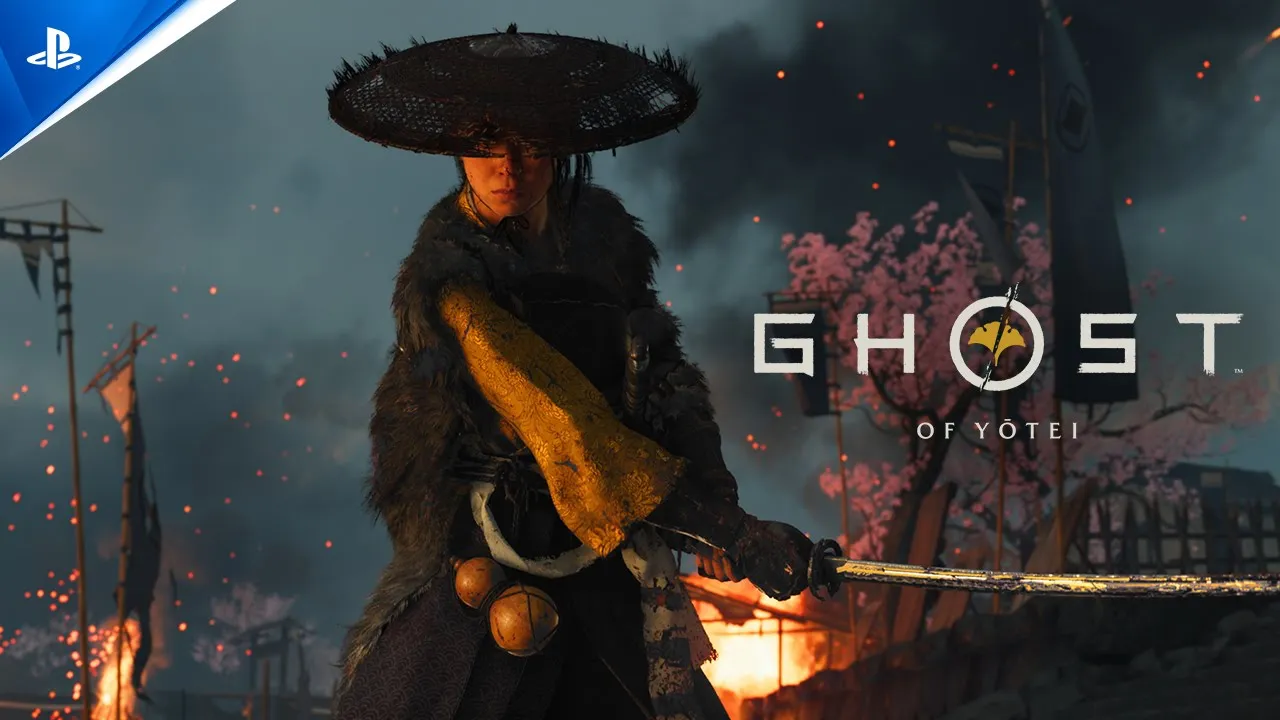
If this ranking were only about how badly a world makes you want to disappear into it for a week, Ghost of Yōtei would still be sitting at number one.
Sucker Punch gave Atsu a revenge story with a wonderfully dangerous amount of breathing room. She is hunting the six outlaws tied to her family’s murder, but the official material is explicit that her journey becomes bigger than vengeance. That matters because the best revenge stories are rarely about the body count. They are about who the person becomes after the anger has had enough time to rot, harden or finally let go.
The gameplay side is just as convincing. The weapon variety, duels, open exploration, horseback travel and layered combat let Yōtei sell the fantasy of being a wandering killer without reducing Atsu to a sword-shaped cursor moving between map icons. The current PlayStation Store reaction is ridiculous in the best way: roughly 4.78/5 from more than 94,000 ratings. Players repeatedly call out the combat, visual presentation and story, even when some note familiar open-world repetition.
Who it is for: players who want sword combat inside a world worth lingering in, people who loved Ghost of Tsushima, and anyone who wants the story to matter as much as the parry window.
The catch: if the Ghost formula already felt repetitive to you, Yōtei does not magically become a different genre.
See Ghost of Yōtei on PlayStation
2. Onimusha: Way of the Sword — Overall 9.3/10
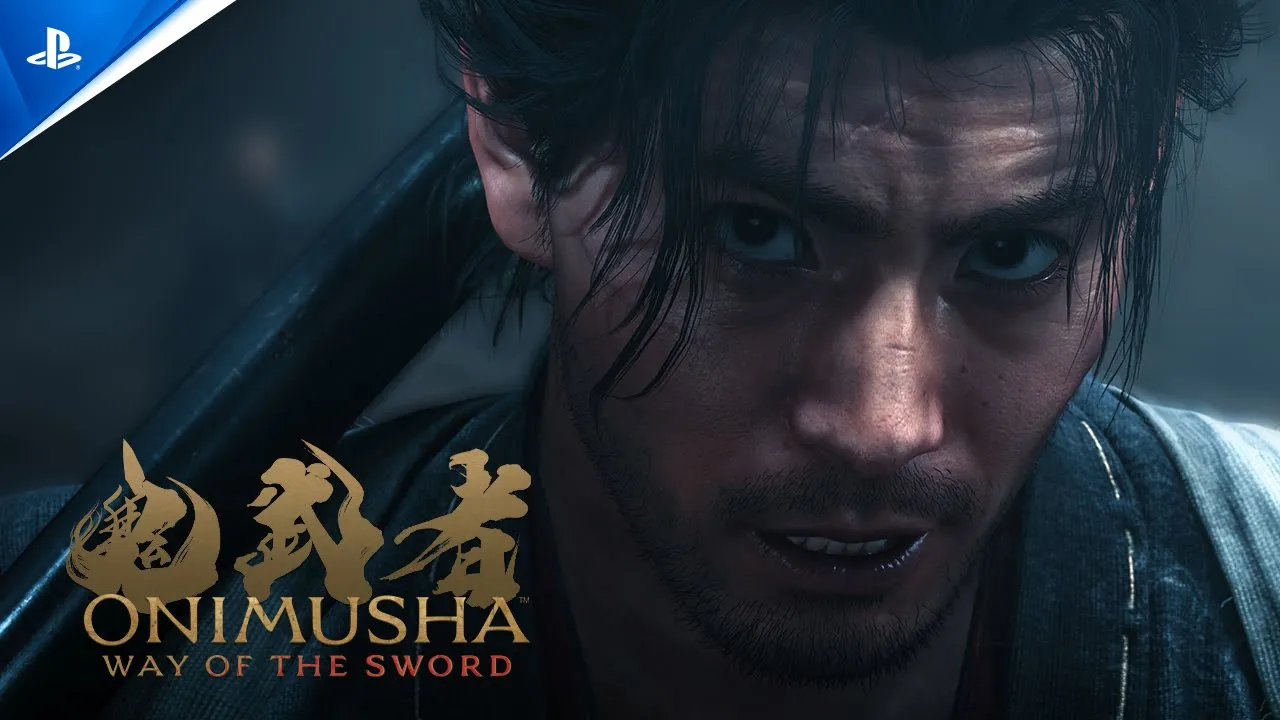
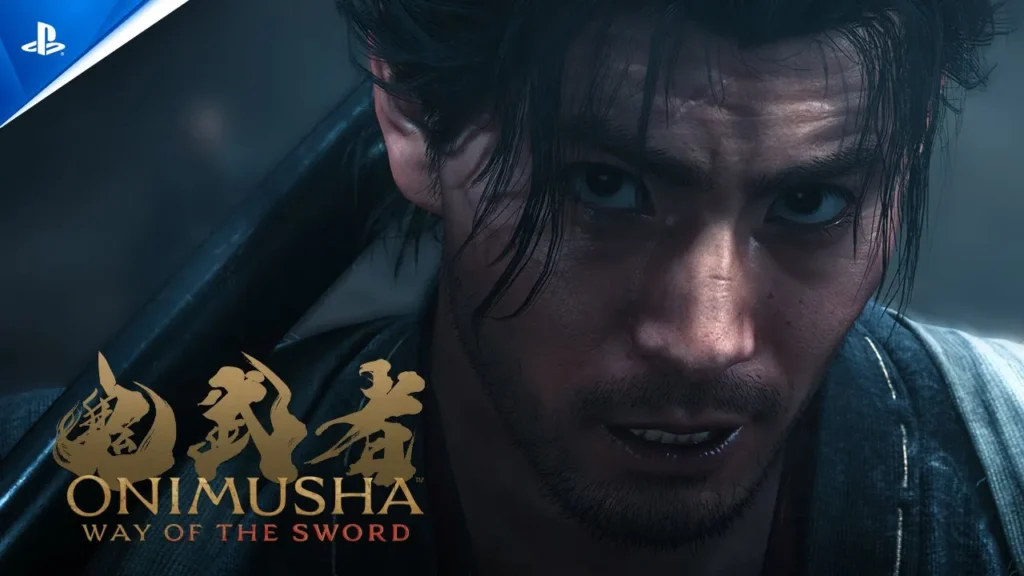
Onimusha: Way of the Sword feels like Capcom remembered that sometimes a game does not need twenty different identities. Sometimes you need a samurai, a cursed city, grotesque demons and a sword that makes contact feel expensive.
Musashi arrives in Kyoto looking to prove himself, gets pulled into a Genma nightmare, and carries an Oni Gauntlet capable of absorbing souls and turning slaughter into power. It is classic dark-fantasy fuel, but the reason Onimusha ranks this high is not nostalgia. It is the combat response.
On Steam, the game is sitting around 93% positive English reviews, while the PlayStation Store shows roughly 4.69/5 from more than 14,000 ratings. That is not a small sample of longtime fans being polite. That is a lot of people saying the swordplay actually lands.
Capcom also made the smart choice to give Musashi a recognisable physicality. He is not a weightless anime blender. The footage sells grit, counters, steel-on-steel resistance and enemies that look like they should leave a stain on the controller.
Who it is for: action players who want their melee combat focused, tactile and dark, especially anyone who likes Sekiro-style tension but wants Capcom’s own rhythm.
The catch: this is a more concentrated action experience than a massive sandbox. For us, that is a feature. For someone shopping by map size, maybe not.
See Onimusha: Way of the Sword
3. The Blood of Dawnwalker — Overall 9.1/10
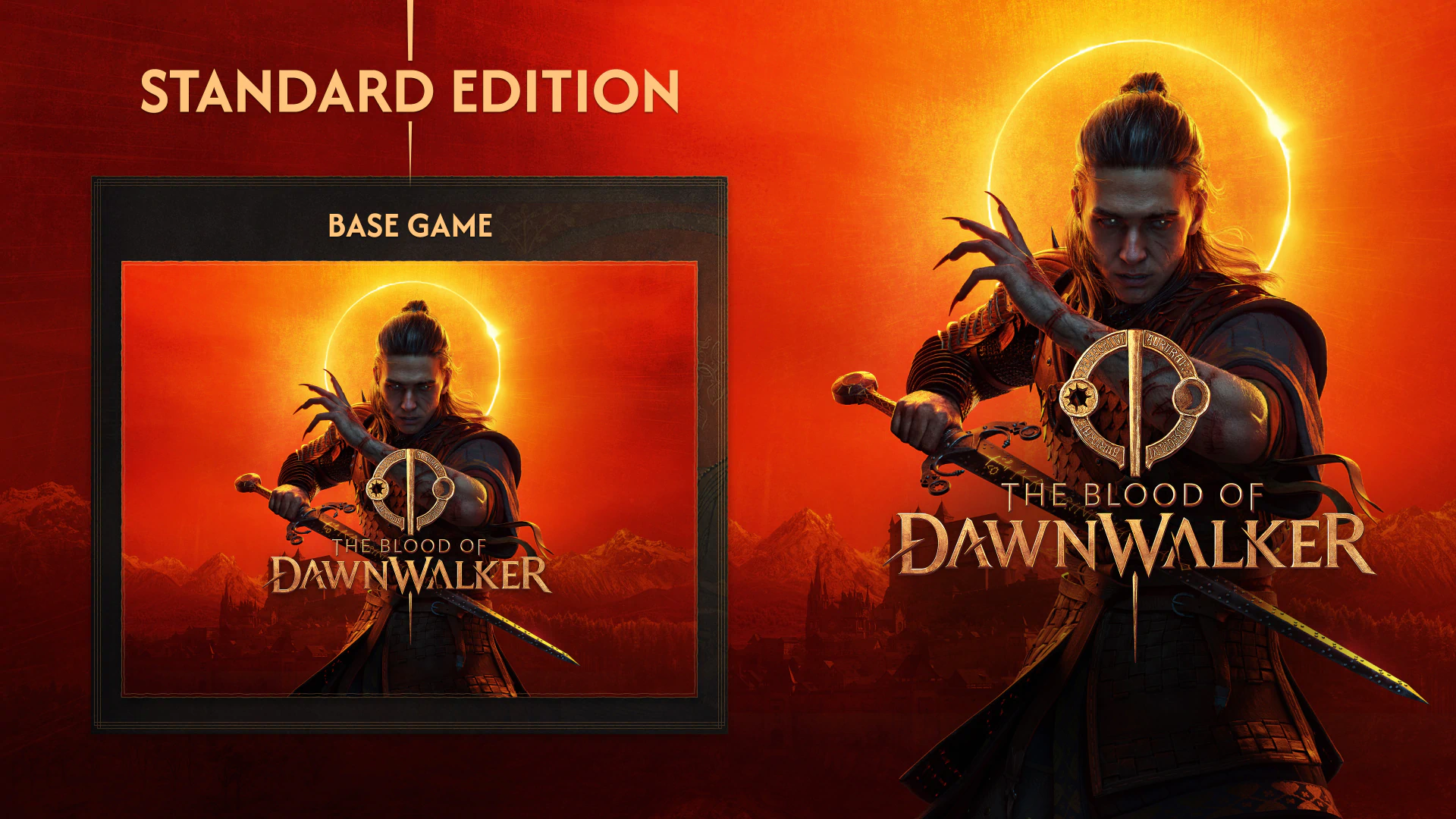
The Blood of Dawnwalker has the strongest raw story hook in this entire list.
You are Coen, caught between human and vampire existence in plague-ravaged 14th-century Europe, with a family to save and a world that refuses to pause while you sort out your supernatural identity crisis. Quests advance time. Inaction matters. You cannot help everybody. The villain does not politely wait in the final dungeon until you finish collecting herbs for a stranger.
That design choice is why Dawnwalker scores so well in both Story and Mechanics. Human Coen and vampire Coen are not just cosmetic stances. The official pitch describes two different gameplay loops with different abilities and approaches, while player choices and time pressure reshape what you actually get to see.
The audience is responding. Steam currently shows roughly 85% positive English reviews across more than 8,000 reviews. That is especially impressive for a new IP carrying this many interconnected systems.
Who it is for: players who want choices to hurt a little, vampire fantasy without sparkles, and combat systems that are tied directly into the role-playing premise.
The catch: the game asks you to accept that you will miss things. Completionists who need to vacuum every icon from the map may experience emotional damage.
4. NINJA GAIDEN 4 — Overall 9.0/10
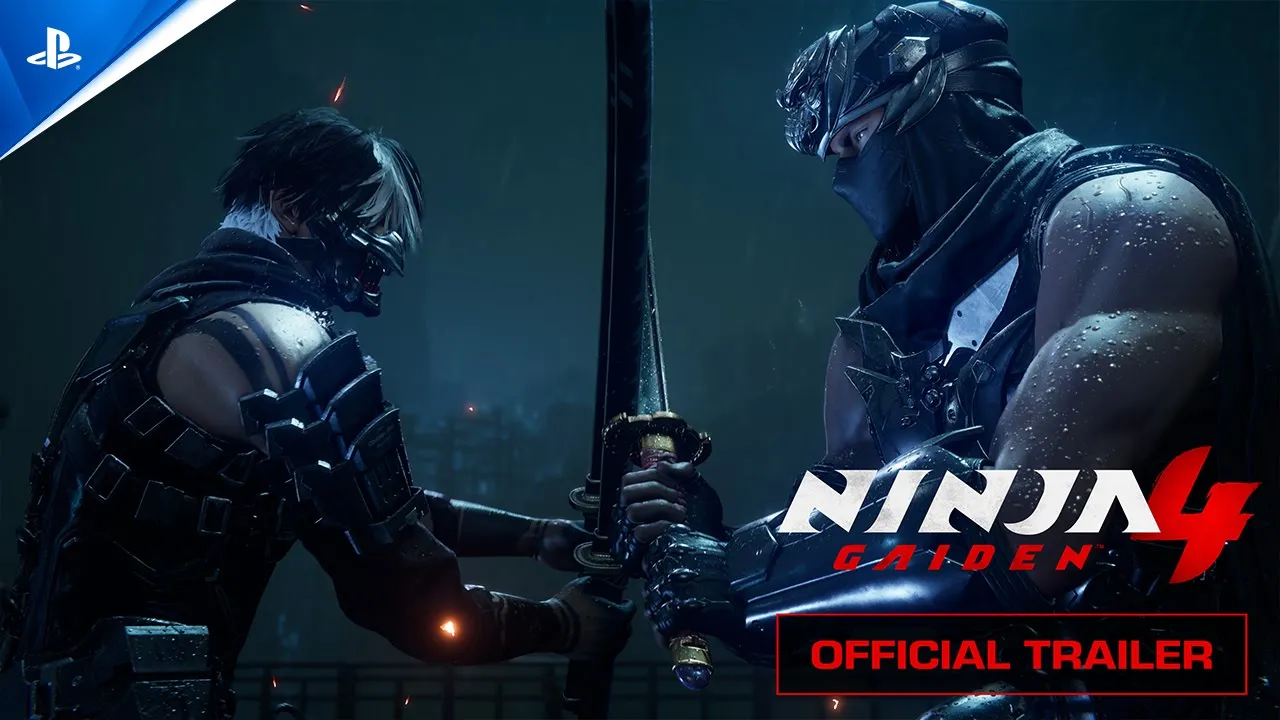
If your personal ranking system begins and ends with “but how good does it feel to absolutely ruin somebody?”, NINJA GAIDEN 4 is your number one.
Team NINJA’s combat philosophy colliding with PlatinumGames’ stylish-action instincts is exactly as irresponsible as it sounds. Bloodbind Ninjutsu transforms weapons, Yakumo brings a new combat identity, and Ryu Hayabusa remains present so the game never forgets which blood-soaked family reunion you showed up for.
Steam’s English user reviews sit around 88% positive. More importantly, the praise is heavily concentrated where it matters for this genre: speed, responsiveness, difficulty and combat electricity.
Ninja Gaiden loses points only because story is not the reason most people are coming through the door. The near-future Tokyo setup works, and Yakumo’s connection to Ryu gives the campaign structure, but the real narrative is the one your hands tell after surviving a room that wanted you dead thirty seconds ago.
Who it is for: players who genuinely enjoy getting better at action games rather than merely getting stronger inside them.
The catch: it is demanding. There are accessibility and difficulty options, but the game still wants you awake.
5. Crimson Desert — Overall 8.9/10
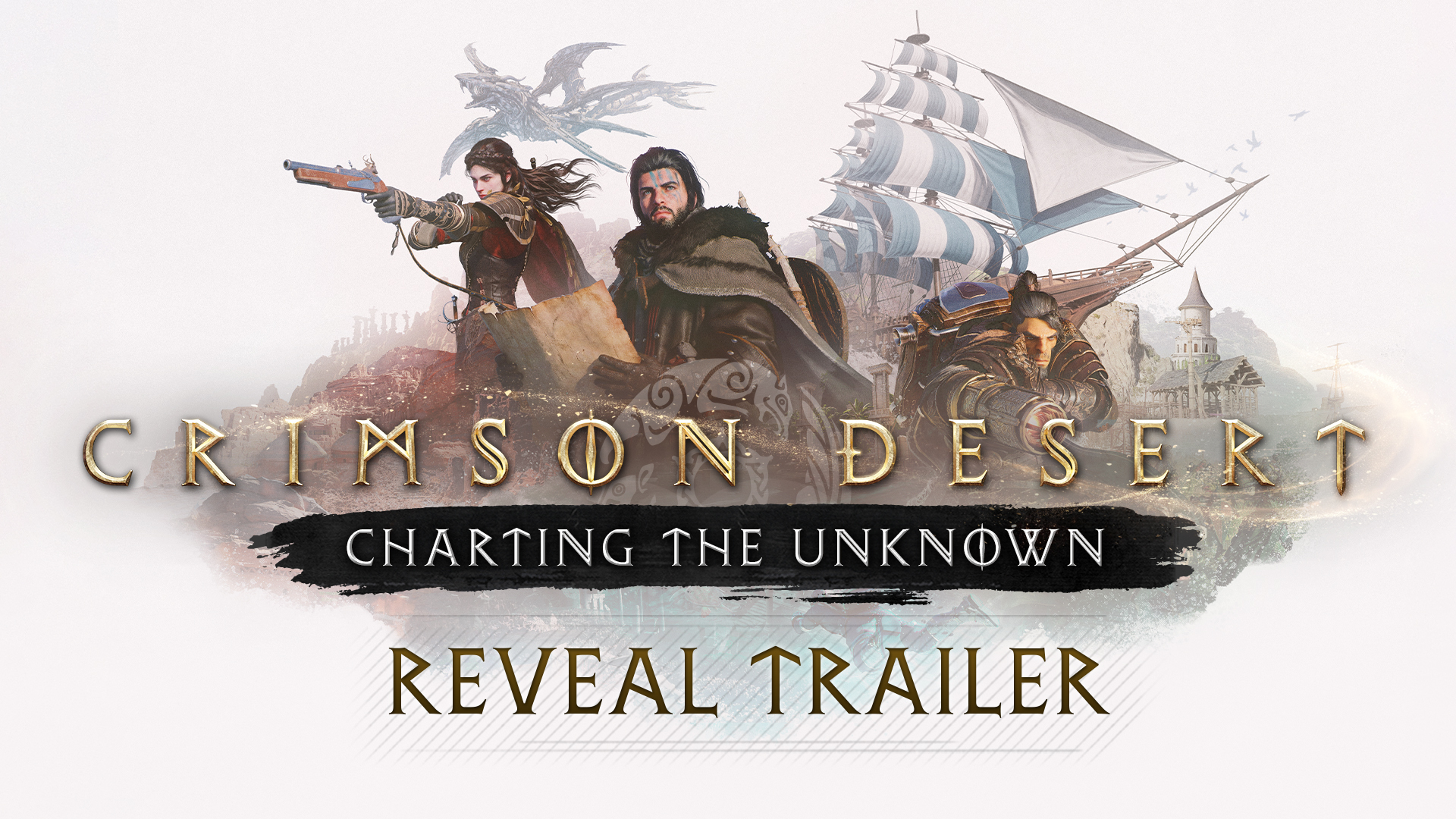
Crimson Desert is what happens when the phrase “sword-first action game” starts looking nervously at the size of the world around it.
Kliff’s story begins with the Greymanes shattered by an ambush, sending him across Pywel to reunite survivors and rebuild something that was violently taken apart. That gives the game an emotional center, but Pearl Abyss clearly wanted much more than a revenge march. Pywel is full of wilderness, settlements, ruins, creatures, exploration systems and combat toys begging you to try something stupid.
That breadth is both the strength and the reason Crimson Desert sits at number five. It is not as mechanically pure as Ninja Gaiden or Onimusha. It is selling the fantasy of being in a huge action-adventure world, then letting the combat keep up.
Steam’s English reviews are currently around 86% positive across more than 60,000 reviews, which is an enormous amount of evidence that the ambition mostly survived contact with actual players.
Who it is for: people who want spectacle, exploration and melee combat in the same purchase instead of choosing one.
The catch: when a game does this much, not every system can feel as deep as a title built entirely around combat.
6. Marvel’s Wolverine — Overall 8.8/10*
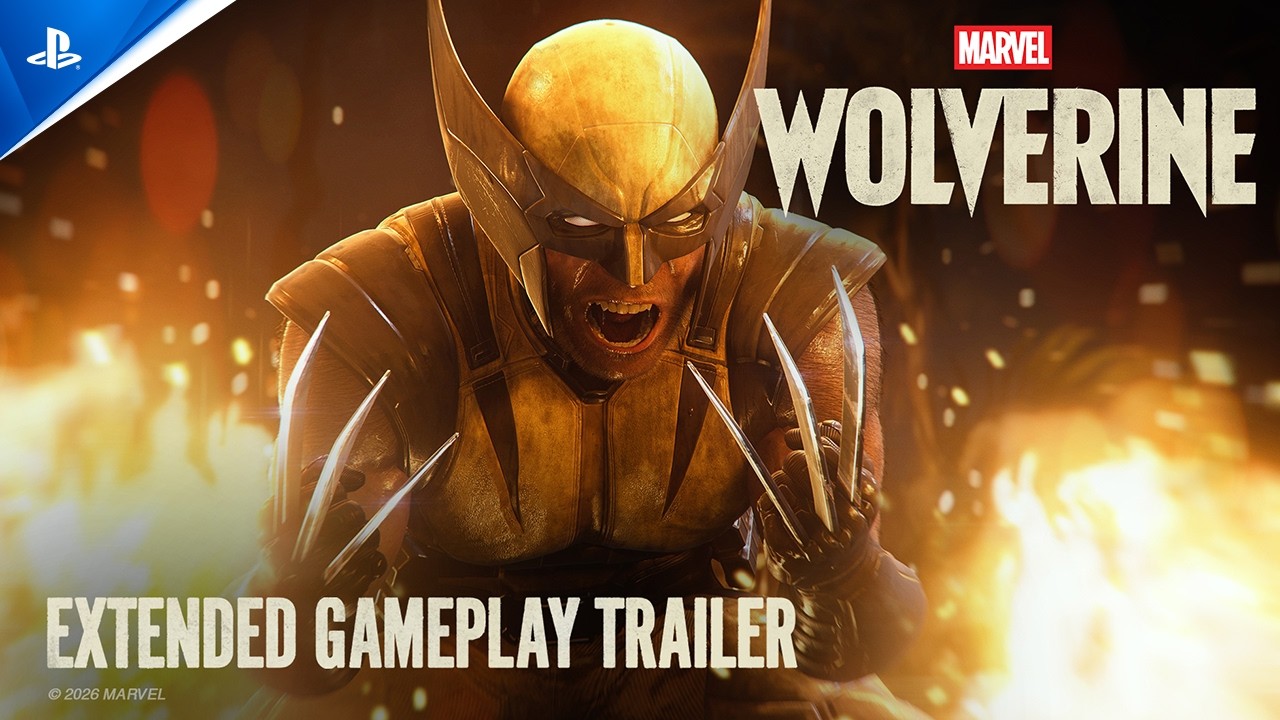
Marvel’s Wolverine launches tomorrow, which means this is the most dangerous score in the list to pretend is final. We are not doing that.
What we can say is that Insomniac has made the buyer proposition unusually clear. This is a single-player, narrative-driven action-adventure, not an open world. Logan is going global, from Canada to Tokyo to Madripoor, while the combat leans into Rage, brutal close-range pressure, healing, Techniques and the simple joy of being the thing in the room that should have stayed dead.
The smartest thing about the pitch is focus. Wolverine does not look like Spider-Man with a different traversal animation. It looks tighter, nastier and much more interested in Logan’s personal history than in covering a city with errands.
Who it is for: superhero fans who want a cinematic action game, X-Men readers who care about Logan as much as the claws, and anyone currently suffering from open-world fatigue.
The catch: early critical reaction suggests combat repetition may be the pressure point. If you need Devil May Cry levels of expression, wait for more player discussion.
See Marvel’s Wolverine on PlayStation
7. Nioh 3 — Overall 8.7/10
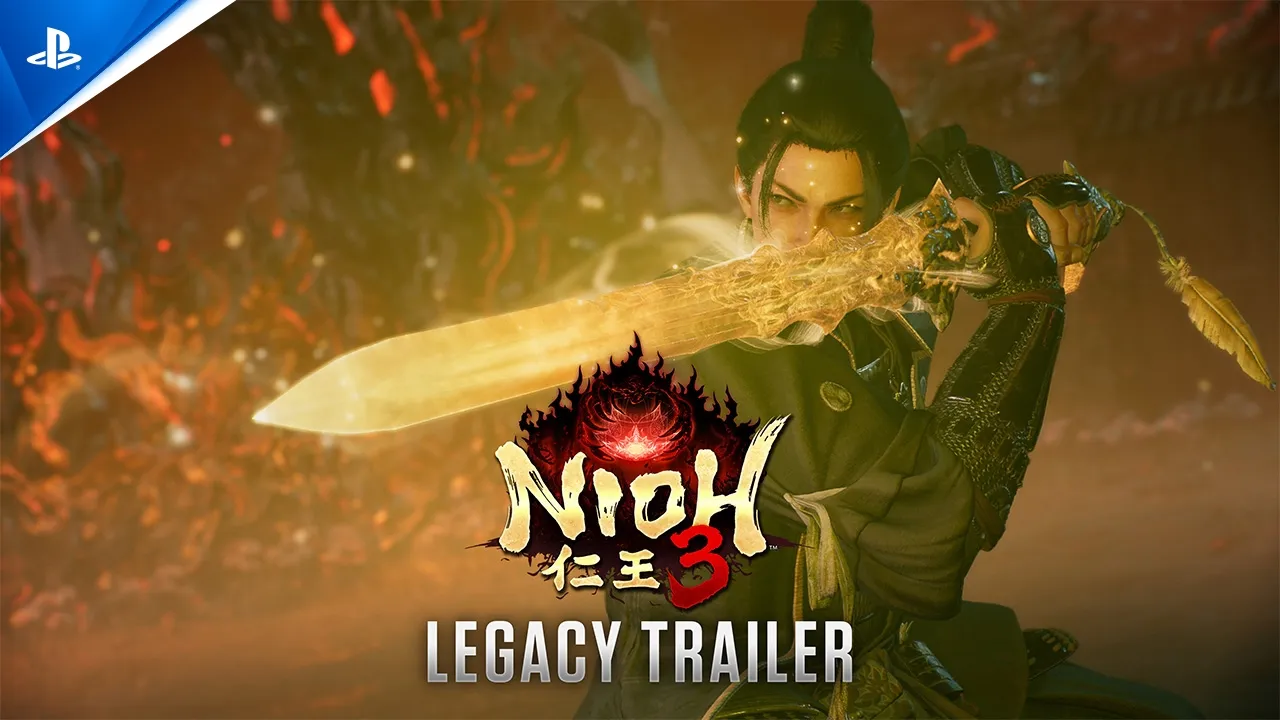
Nioh 3 is the mechanics nerd of this list, and we mean that lovingly.
Team NINJA takes the already demanding Nioh formula and splits your combat identity between Samurai and Ninja styles, then drops the whole thing into a more open field structure filled with yokai, famous warlords and the usual parade of things designed to humble your confidence.
The player reaction is interesting. Steam’s English lifetime reviews sit around 80% positive, while recent reviews have dipped into Mixed territory. That tells us the foundation is strong but the ongoing conversation is not universally glowing, which is why Nioh does not simply leapfrog the broader packages above it.
Mechanically, though? It is still ridiculous. If you are the player who pauses a game because you just thought of a better build interaction, Nioh understands you.
Who it is for: systems-heavy action RPG players, Souls/Nioh veterans, build tinkerers and anyone who enjoys combat with homework.
The catch: complexity is part of the product. If you just want to hit square and look cool, there are easier ways to spend ninety bucks.
8. Phantom Blade Zero — Overall 8.6/10*
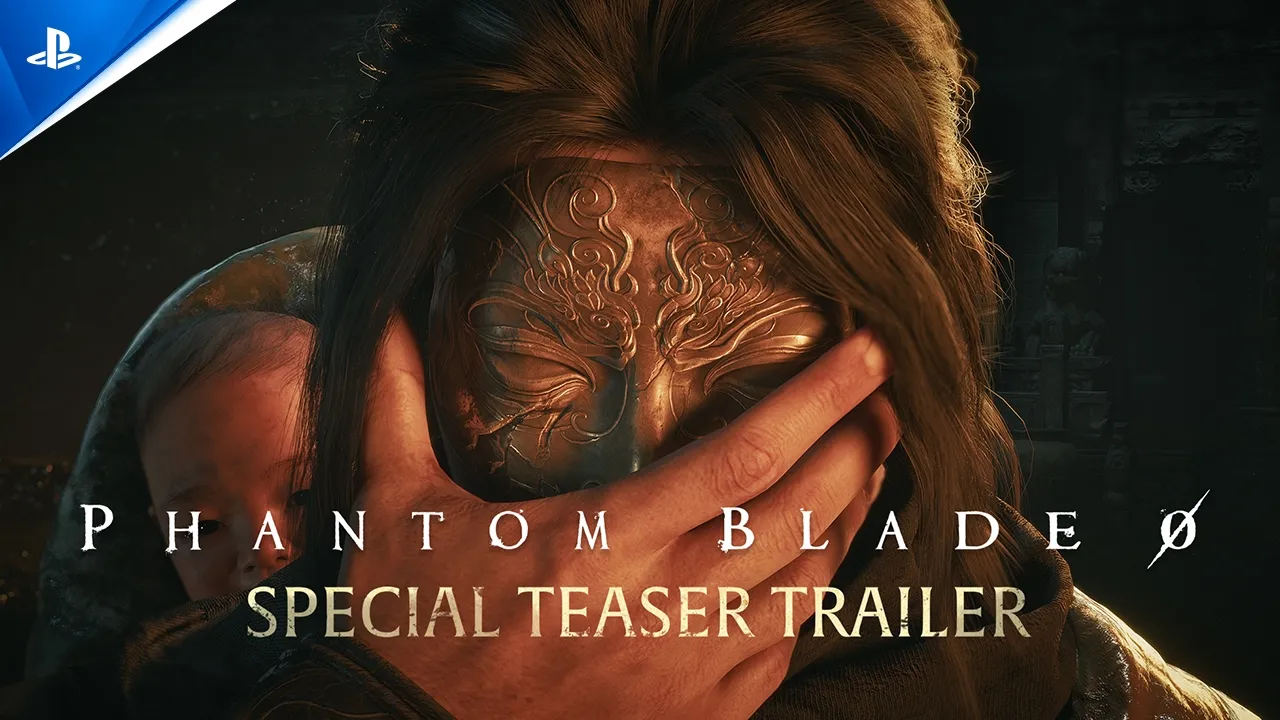
Phantom Blade Zero has one of those combat reels that immediately causes irresponsible financial planning.
Soul has sixty-six days left to live, has been framed for murdering his master, and is cutting through a dark wuxia conspiracy while the game quietly offers 30+ primary weapons and 20+ Phantom Edges. That is not a small combat toybox.
The appeal is obvious: movement that looks impossibly fast without becoming unreadable, parries that feel theatrical, weapon variety, rain, blood and a hero who seems personally offended by gravity.
So why number eight? Because it releases October 29, 2026. We can rank the promise, not pretend we have already judged the finished execution. Its Gameplay Feel and Mechanics scores are intentionally high because the official material is spectacular. Its Overall score is held back by uncertainty.
Who it is for: stylish-action fans, wuxia obsessives, players who see a parry animation and immediately need to know the input timing.
The catch: pre-release footage is a sales pitch. The finished game still has to sustain that energy across hours, not minutes.
9. WUCHANG: Fallen Feathers — Overall 8.3/10
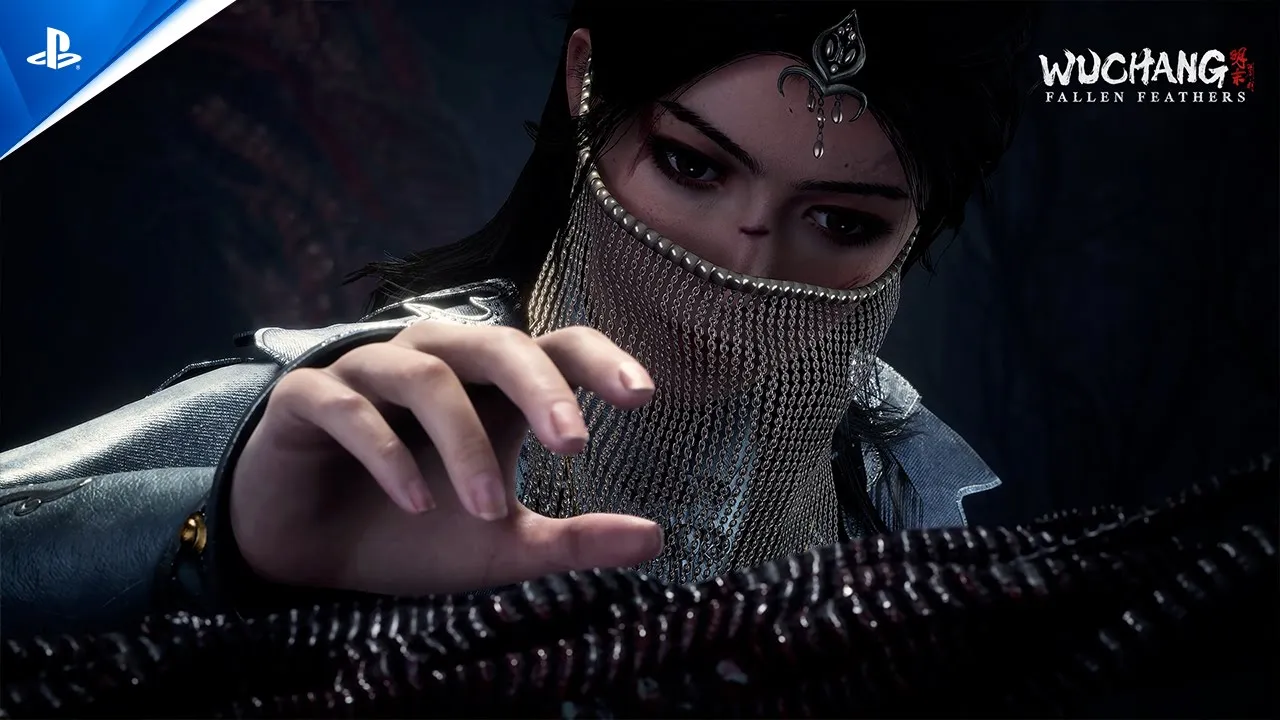
WUCHANG: Fallen Feathers is for the person who saw the other games on this list and thought, “Could this be more cursed?”
Wuchang wakes in late-Ming China with no memory, a land collapsing under faction conflict, and Feathering turning people into monsters. The atmosphere is thick, the combat asks for deliberate mastery, and the boss design is exactly the kind of grotesque spectacle this audience came for.
Steam reaction has improved over time: English lifetime reviews sit around 73% positive, while recent reviews have been closer to the low-80s. That suggests a game that found a better footing after launch even if the total reception remains more divided than the leaders above it.
Who it is for: Soulslike players, dark-fantasy tourists, boss-fight addicts and anyone who likes their action worlds slightly diseased.
The catch: this is a narrower recommendation. If you do not like stamina-minded challenge and repeated learning through failure, the art direction will not save you.
10. Lost Soul Aside — Overall 7.9/10
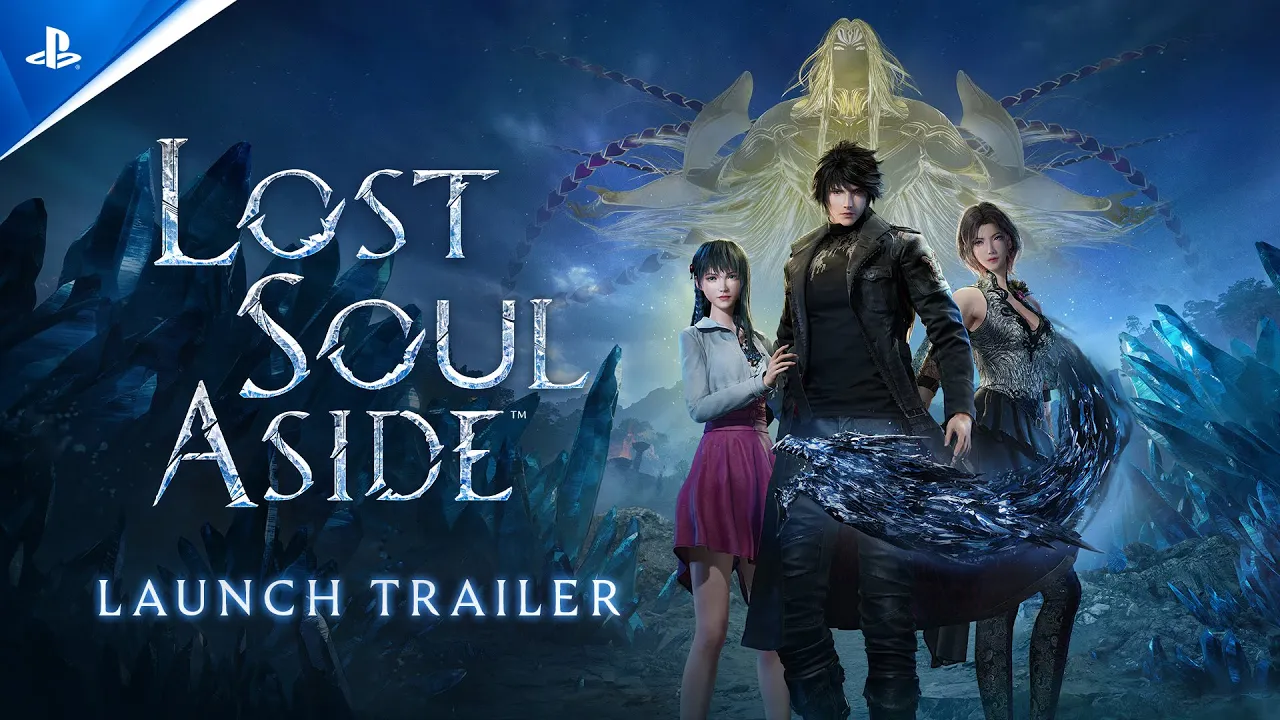
Last place here does not mean bad. It means the competition is cruel.
Lost Soul Aside is a stylish action RPG built around Kaser, multiple melee weapon types, mid-combo swapping, aerial control, parries and the sort of animations that make action-game trailers very easy to rewatch.
Its biggest strength is still combat spectacle. The Sword is the all-rounder, the Greatsword brings weight, the Poleblade adds range and aerial mobility, and the Scythe pushes speed and repositioning. Mechanically, there is real intent.
The reason it finishes tenth is the player response. Steam sits around 59% positive, a much more divided reception than anything near the top of this list. That does not erase the good combat. It simply tells us the total package did not land equally well for everybody.
Who it is for: players who prioritize flashy, fast combat and anime-styled spectacle over universally praised storytelling.
The catch: if you need the narrative and overall structure to hit as hard as the combat, this is the game we would research most carefully before buying.
The ZerotoBeast verdict
If we were spending our own money tonight, Ghost of Yōtei is the safest all-round recommendation. It has the story pull, combat satisfaction, world quality and an enormous amount of positive player evidence behind it.
Onimusha: Way of the Sword is the one we would point to if your first question is simply, “Which game makes the sword feel best?”
The Blood of Dawnwalker is the pick for people who want a dark fantasy world to push back against their choices instead of politely waiting for them.
NINJA GAIDEN 4 is the mechanical sicko pick. We say that with respect.
And Phantom Blade Zero is the game most likely to bully its way much higher on this list once it is actually in players’ hands.
That is the part rankings should never hide: they are snapshots. Games get patched. Expansions land. Communities discover depth nobody saw in launch week. A spectacular trailer turns into a spectacular game, or occasionally remembers at the last second that trailers do not need to ship boss AI.
We will update this ranking when the evidence changes.
Sources / official links:
Ghost of Yōtei — PlayStation
Onimusha: Way of the Sword — PlayStation
The Blood of Dawnwalker — Bandai Namco
NINJA GAIDEN 4 — PlayStation
Crimson Desert — Pearl Abyss
Marvel’s Wolverine — PlayStation
Nioh 3 — PlayStation
Phantom Blade Zero — PlayStation
WUCHANG: Fallen Feathers — PlayStation
Lost Soul Aside — PlayStation
Player-reaction context also checked against current Steam and PlayStation Store ratings where available.

